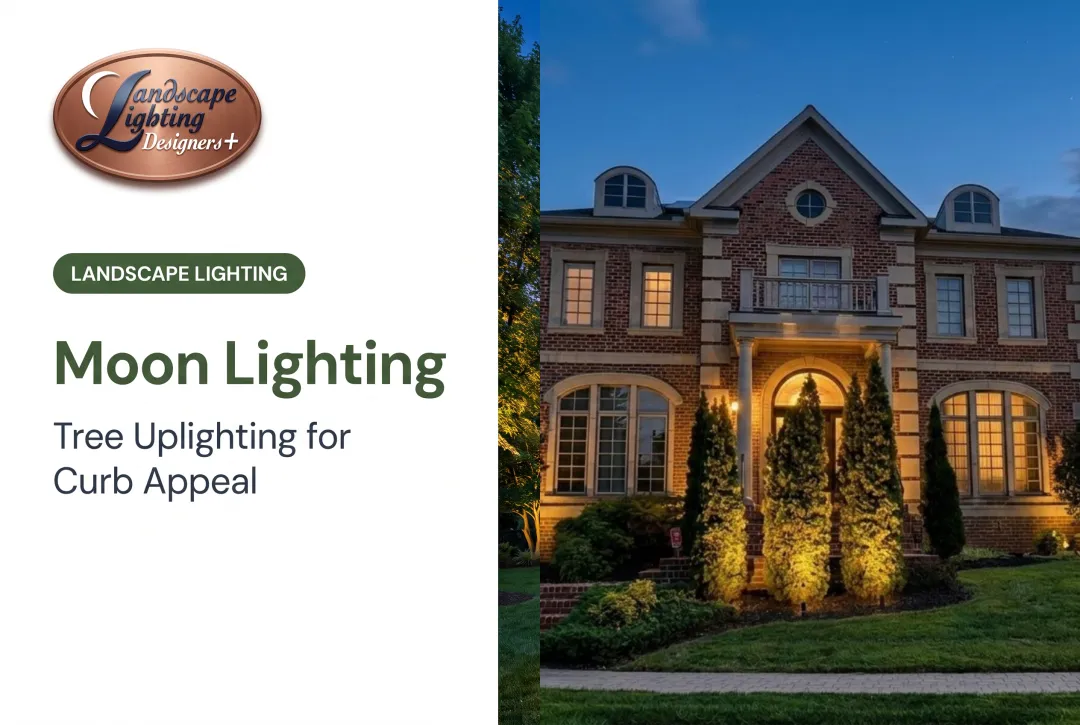
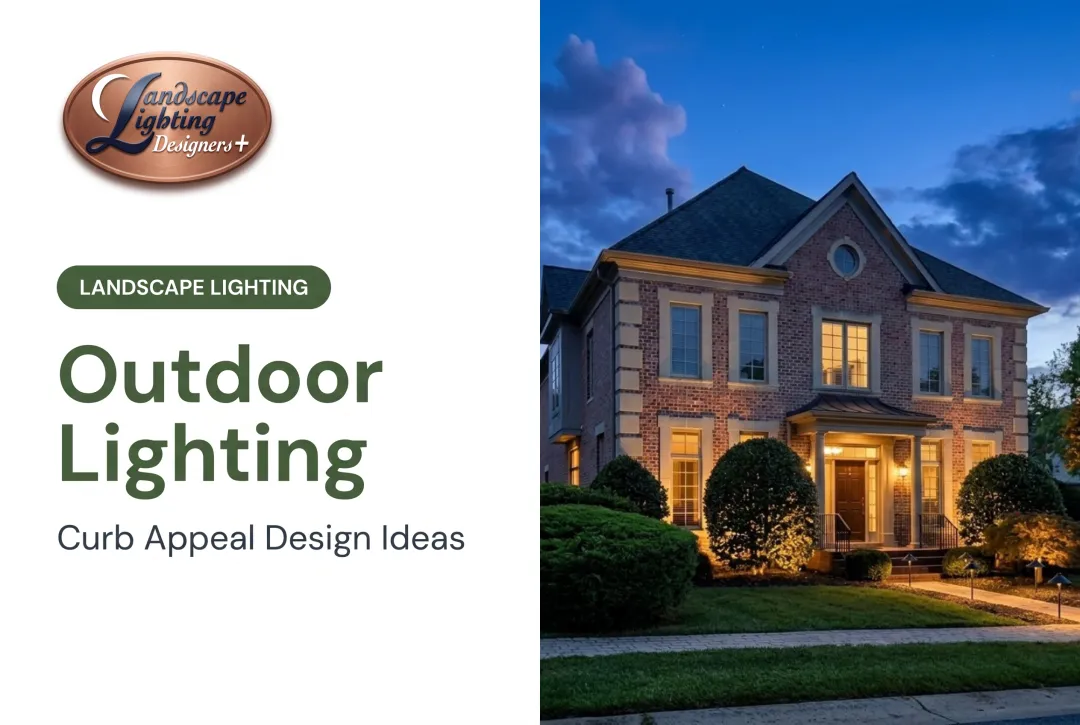
Garden trellis lighting uses low-voltage fixtures strategically positioned to illuminate vertical garden structures, highlighting both the trellis framework and the climbing plants it supports. As homeowners increasingly extend outdoor living into evening hours, trellis lighting has surged in popularity. Among homeowners undertaking outdoor projects in 2024, 78% upgraded their outdoor lighting, signaling strong adoption across the residential landscape.
Beyond aesthetics, properly designed trellis lighting enhances curb appeal, improves safety along garden pathways, and creates inviting outdoor spaces that homeowners can enjoy long after the sun sets.
Key Takeaways
- Low-voltage 12V LED fixtures offer the safest, most energy-efficient option for trellis installations
- Balance and subtlety create elegant effects without washing out architectural details
- Layering uplighting, downlighting, and string lights adds depth to trellis structures
- Concealed fixtures and clean wiring preserve daytime aesthetics
- Exterior lighting appeals to 82% of home buyers, making trellis lighting a smart curb-appeal investment
Why Garden Trellis Lighting Transforms Outdoor Spaces
Trellis lighting does more than brighten a structure. It changes how you use and see your outdoor space after dark.
Extended evening use
Evening gatherings on your patio or deck work better when trellises cast ambient light without harsh overhead glare. Warm light supports outdoor dining, conversation areas, and garden strolls well past sunset—so you’re not pushed indoors the moment daylight fades.
Safety and navigation
Trellises along pathways, garden borders, or near decks become safety assets when lit. They cut dark spots where guests might trip on uneven pavers or miss a step. Aim fixtures at the ground plane, not into people’s eyes, so you gain visibility without glare.
Structure and plant detail
Well-placed lights pick up trellis latticework and cast shadow patterns across walls, fences, and hardscape. Climbing plants—roses, clematis, wisteria—read clearly when backlit or gently uplit, so leaf texture and bloom color still show after dark.
Trellis lighting adds depth that flat, single-source light can’t. Highlighting vertical elements layers the landscape, draws the eye up and out, and can make a modest garden feel larger and more intentional.

Key Design Principles for Trellis Lighting
Balance: Avoid Overlighting The most common mistake is using too many fixtures or choosing overly bright bulbs. Your goal is to showcase the trellis and its plants, not flood the area with light. Start conservatively—you can always add fixtures, but removing them after installation is wasteful.
Subtlety Creates Elegance Softer, indirect lighting often produces more sophisticated results than harsh spotlights. Consider grazing light across the trellis surface or backlighting climbing vines to create silhouettes, rather than pointing bright beams directly at the structure.
Coordinate With the Broader Landscape Your trellis doesn't exist in isolation. Consider how its lighting complements nearby features:
- Pathway lights along trellis-lined walkways
- Patio illumination that extends to the trellis
- Garden bed lighting that ties into trellis uplights
- Architectural lighting on adjacent structures
The lighting should feel cohesive, not like separate projects installed at different times.
Color Temperature Selection Warmer tones (2700K–3000K) create cozy, intimate settings ideal for residential gardens, complementing brick, wood, and stone materials. Cooler tones (4000K+) deliver crisp, modern aesthetics but can feel sterile in traditional garden settings.
For most trellis applications, stick with warm white LEDs. DarkSky guidelines recommend residential fixtures at or below 3000K, dimmable to 10% or less for responsible outdoor lighting.
Layer Light for Dimension Combining different techniques prevents flat, one-dimensional effects:
- Uplighting from ground-mounted fixtures highlights the trellis structure
- Downlighting from overhead positions mimics moonlight filtering through plants
- Backlighting creates dramatic silhouettes of foliage
Vary fixture heights, angles, and intensities to build visual interest.
Types of Lights for Garden Trellises
Low-Voltage LED Fixtures
Low-voltage 12V LED lights are the best fit for trellis lighting. They're safer than 120V line-voltage systems, especially around water features and pools common in garden settings. LEDs produce light up to 90% more efficiently than incandescent bulbs, cutting operating costs over time.
Benefits of low-voltage systems:
- Lower electrical hazard around moisture, pools, and damp garden soil
- Easier wiring that doesn't require conduit in many applications
- Lower operating costs over decades of use
- Directional light output minimizes wasted illumination
Staying with true 12V landscape fixtures keeps the installation soft and garden-first instead of reading like bolted-on house lighting.

String Lights and Bistro Lights
String lights draped along or woven through trellis structures create festive, casual ambiance. 12V LED bistro string kits rated for outdoor use deliver warm 2700K light with heavy-duty weather-resistant construction.
Best applications:
- Pergola-style overhead trellises
- Arbor entries to patios or gardens
- Outdoor dining areas where trellis forms a backdrop
- Spaces where you want visible light sources, not hidden fixtures
String lights work beautifully for entertaining but may lack the subtlety needed for everyday ambient lighting.
Spotlights and Uplights
Ground-mounted spotlights positioned at the trellis base cast light upward through the structure, creating dramatic shadow patterns on walls or overhead canopies. Adjustable fixtures let you direct beams precisely where needed as plants grow and change seasonally.
Use uplights when you want to emphasize the trellis architecture itself or create bold visual effects. These fixtures excel at highlighting tall, vertical trellises or arbors with intricate latticework.
Well Lights and Path Lights
In-ground well lights installed at a trellis base provide subtle uplighting without visible above-ground fixtures. Path lights spaced 10–14 feet apart along trellis-lined walkways enhance both safety and aesthetics, guiding guests while revealing nearby garden beds.
Well lights are ideal when you want illumination without any visible hardware during daylight. Path lights serve a dual purpose: functional pathway illumination plus ambient light that washes over adjacent trellis structures.
Flexible LED Strips
Flexible 12V wet-location LED strips can be wrapped around trellis posts or tucked into lattice channels for continuous glow. These strips create custom shapes and patterns impossible with traditional fixtures.
Use flexible strips for:
- Outlining trellis frames or geometric patterns
- Concealed lighting within lattice that produces a soft glow
- Accentuating curves in arched arbors
- Creating uniform illumination along horizontal beams
Note: Thermal limits, mounting requirements, and maximum run lengths vary by product. Verify specifications before installation.

Installation Techniques and Best Practices
Planning Your Trellis Lighting Layout
Assess your trellis structure, size, and location before purchasing any fixtures. Walk your property at dusk to understand existing light sources and dark zones.
Key planning steps:
- Measure trellis dimensions (height, width, depth)
- Identify primary viewing angles: where will people see the lit trellis?
- Determine the desired effect: dramatic focal point, subtle ambiance, or functional safety lighting
- Sketch a lighting plan showing fixture locations and wire runs
For complex designs or properties with multiple trellises, visualization tools or professional consultations help preview the final effect before installation.
Mounting and Concealing Fixtures
Discreet fixture mounting preserves daytime aesthetics. Hide fixtures within lattice openings, behind posts, or in surrounding garden beds.
Concealment techniques:
- Run wires within lattice channels or along the backside of posts
- Bury cable underground along trellis bases, bringing power up at each fixture location
- Use low-profile mounting brackets and clips designed for landscape lighting
- Paint visible fixture bodies to match trellis color
- Position fixtures behind plantings that screen hardware during daylight
The goal: at night, you see light effects, not the fixtures producing them.
Transformer and Power Considerations
Every low-voltage system requires a transformer to step household 120V power down to safe 12V. Size your transformer by totaling all lamp wattages and selecting capacity above the required load. Voltage drop calculations account for cable length, total load, and wire gauge.
Transformer placement guidelines:
- Near the power source (outdoor GFCI outlet)
- Protected from weather; mount under eaves or in weatherproof enclosures
- Accessible for maintenance and seasonal adjustments
- Use outdoor-rated, weatherproof components exclusively
Don't guess on transformer sizing. Undersized transformers cause dim, flickering lights; oversized units waste money.

Professional Installation vs. DIY
Straightforward trellis lighting, such as adding a few uplights to a single arbor, is often DIY-friendly for handy homeowners. Low-voltage systems reduce electrical risk compared to line-voltage projects.
When to hire a professional landscape lighting designer:
- Complex designs integrating trellis lighting with broader landscape systems
- Historic or architecturally distinctive properties requiring sensitive installation
- Custom plans tailored to your garden style and aesthetic preferences
- Refined results that go beyond basic illumination
Landscape Lighting Designers Plus has served the DC metro area for over 21 years with custom low-voltage designs. Owner Craig Collins personally plans every project, with no project managers or sales reps, so each trellis installation complements your property's architecture and landscape.
Maintenance and Seasonal Considerations
Routine care keeps trellis lighting working well year after year.
Annual maintenance tasks:
- Clean fixture lenses to remove dirt, calcium deposits, and debris
- Check connections and wiring for corrosion or damage
- Trim overgrown plants obstructing light
- Straighten or reposition fixtures shifted by landscaping or weather
Seasonal adjustments:
- Raise brightness in winter when foliage thins and more structure shows
- Dial back to softer tones for everyday spring and summer ambiance
- Redirect fixtures as climbing plants grow and change shape
Inspect your low-voltage system annually and replace bulbs as needed. LED fixtures often last 50,000+ hours, but drivers and connections still require periodic checks. With steady upkeep, most systems stay reliable for 8+ years—and a quick professional tweak as vines mature keeps aim and output on point.
If you want to see how this reads once it is installed, our gallery of completed lighting projects shows the approach on real properties.
Frequently Asked Questions
What type of lights work best for garden trellises?
Low-voltage 12V LED fixtures deliver the best combination of safety, efficiency, and longevity for trellis installations. String lights create casual, festive atmospheres for entertaining, while ground-mounted spotlights or uplights produce dramatic effects that highlight trellis architecture and climbing plants.
Should I use low-voltage or line voltage lighting for my trellis?
Low-voltage 12V systems are safer, easier to install, and more energy-efficient—especially near water features, pools, and garden beds. Line-voltage 120V systems need conduit and professional electrical work, and they pose greater shock hazards outdoors.
How do I hide wires and fixtures on a trellis?
Run wires within lattice channels, along the backside of trellis posts, or bury cable underground and bring power up at each fixture location. Use discreet mounting brackets and clips designed for landscape lighting, and position fixtures behind plantings or within lattice openings to minimize daytime visibility.
Can trellis lighting be used year-round or just for holidays?
Trellis lighting works year-round for everyday ambiance, safety, and curb appeal. Adjust brightness and color temperature by season: softer tones for spring and summer, brighter settings for holidays or winter when foliage thins. Dimmable low-voltage LEDs make those changes simple.
How bright should trellis lights be?
Most residential trellis lighting looks best at 20–50 lumens per fixture. Use 100+ lumens only for security needs or very large structures. DarkSky residential standards cap fixtures at 1,000 lumens, and most trellis installs stay well below that.
Do I need a professional to install trellis lighting?
Adding a few uplights to a single arbor is often DIY-friendly. For multiple trellises or a full-yard plan, a landscape lighting designer handles transformer sizing, voltage drop, and fixture placement so the result looks intentional and lasts.